
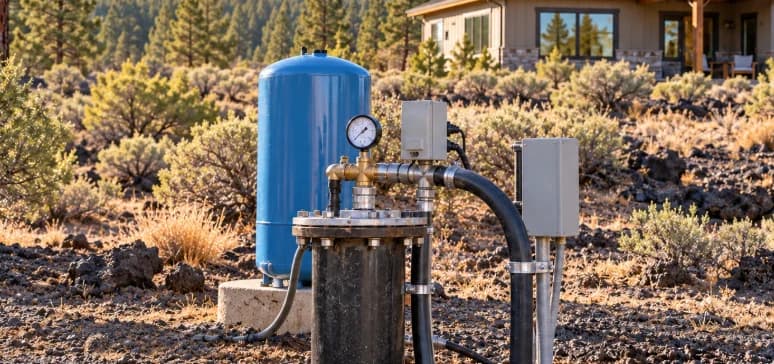
When buying a home with a well and septic system near Bend, review the water test, well records, septic permits, and a professional septic evaluation before you commit. Each system has its own inspection needs, and a routine water test doesn’t tell you whether the well produces enough water or whether the septic system is working properly. At Matt McManus Real Estate, we encourage buyers to treat these as separate parts of understanding a property’s condition and future costs.
Wells and septic systems are common on some properties outside city services, but the details vary from one home to another. A careful review can help you understand what serves the house, what documentation exists, and what needs a specialist’s attention. Our home buying services include guidance through property questions, inspections, and the steps leading to closing.
Check the Well Water Test and What It Covers
Oregon requires the seller of a property with a domestic well to test the water during a real estate transaction and share the results. The required tests cover arsenic, nitrate, and total coliform bacteria, and an accredited lab must analyze the samples. Review the results and the transaction form with your real estate professional, and ask whether the seller has any other recent water test results.
The Oregon Health Authority’s domestic well testing guidance explains the testing and reporting requirements.
A passing result is useful, but it answers a limited question: what the lab found in that water sample. It doesn’t measure the well’s production, confirm that the pump and pressure tank work properly, or predict whether the water supply will meet your household’s needs through different seasons.
Ask what other information is available, such as the well log, depth, age of equipment, repair history, and any records of low production or interruptions. If the home’s water supply is important to your plans, discuss additional checks with a qualified well professional.
Ask About Well Output, Equipment, and Shared Use
During the inspection period, find out what equipment serves the well and what condition it’s in. Depending on the property, that may include a pump, pressure tank, treatment equipment, and related controls. Have a qualified professional assess the system and explain any visible concerns, needed maintenance, or expected replacement costs.
Ask the seller how many people the well has served and whether the water supply has ever run low. A household’s experience can provide helpful context, but it doesn’t replace a professional evaluation.
Also confirm whether the well serves only the home or is shared with another property. If it’s shared, review any written agreement covering access, maintenance, repair costs, and what happens if the arrangement changes. Confirm the well’s location and whether anyone needs to cross the property to reach it.
Review Septic Permits and the System’s Approved Use
For a septic system, request the permit history, available plans or as-built drawings, maintenance records, and any prior evaluation reports. These documents can show where the system is located and what the county approved. Compare the records with the home and property as they exist today, and ask the county or an appropriate professional to clarify anything that doesn’t line up.
Pay attention to the system’s approved capacity and intended use. If the home has additions, extra bedrooms, or a detached living area, ask whether the records reflect those changes and whether the existing system was approved for the current setup. Don’t assume a system can support additional use just because the home has the space.
Deschutes County makes property and permit information available through its property and permit research tools. Search the property records and follow up with the county if you need help interpreting what you find.
Arrange a Professional Septic Evaluation
Oregon DEQ recommends a professional septic evaluation when buying or selling a home. The evaluation is voluntary under the state guidance, but it provides a more informed picture of the existing system than seller disclosures or a casual look around the yard. DEQ explains who can perform an evaluation and provides information for buyers through its Oregon Septic Smart resources.
Ask what the evaluation includes and request a written report. Depending on the property and system, the evaluator may inspect accessible components, review records, and identify areas that need further attention. If the report recommends repairs, pumping, or additional investigation, get a qualified professional to explain the scope and likely cost before your inspection deadline passes.
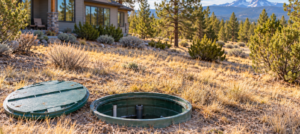
A clean-looking yard doesn’t establish that a septic system is functioning well. The tank and other components may be underground, and not every issue shows at the surface. An evaluator can also clarify whether the system needs a maintenance agreement or other ongoing service.
Look for Signs That Need Follow-Up
During a showing, notice unusually wet or sunken ground, strong sewage odors, plumbing that drains slowly, or patches of unusually lush vegetation near the suspected drainfield. These signs don’t confirm a septic failure, and their absence doesn’t prove the system is sound. Share observations with the septic evaluator and ask what they recommend checking.
Find out where the tank and drainfield sit before planning landscaping, fencing, parking, or future construction. Ask whether the property has a designated replacement area or other restrictions documented in county records. Avoid treating the visible yard as a blank slate until you understand where the system and its components are located.
Consider Maintenance and Future Costs
A private well and septic system come with maintenance responsibilities that differ from municipal water and sewer service. Ask the seller what work they’ve completed, when they last serviced the systems, and whether there are service providers or maintenance agreements you should know about. Keep those costs in mind alongside the home’s purchase price and other expected repairs.
If either inspection raises concerns, get estimates or further assessment from the relevant professional while your contract still allows time to make a decision. A Realtor can help keep the questions, documents, and deadlines organized, while qualified well and septic professionals provide technical evaluations.
Make the Property-Specific Questions Before You Buy
No two properties have exactly the same well records, septic permits, maintenance history, or system condition. Start with the transaction water test, request available records, and arrange separate professional evaluations for the well and septic system. Follow up on unclear permits, shared-use agreements, or recommended repairs before deciding whether the home fits your needs.
We work with buyers across Bend and Central Oregon, helping them understand the property questions that deserve attention during a purchase. If you’re considering a home with a private well or septic system, contact our team to discuss your search and the due diligence you may want to build into the process.